Why Precision Ventilation Matters More Than Ever for Laser Cutter Fume Extractors
Introduction
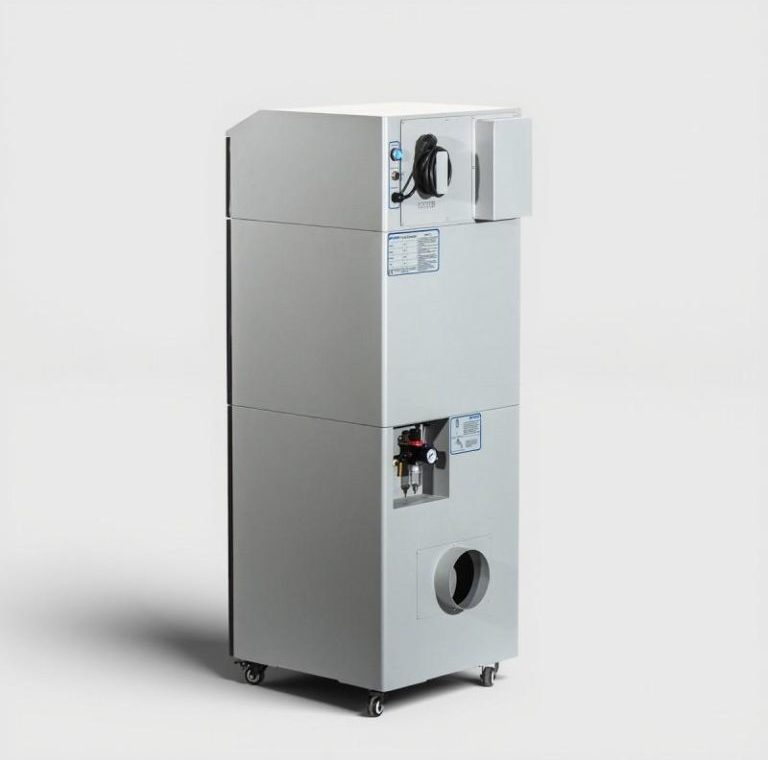
Who knew that a thin plume of smoke could tell a whole story about safety, cost, and craft? I ask this because the workshop around me speaks in numbers: thousands of cuts, dozens of operators, and measurements that quietly nudge us toward change. In the heart of that story sits the laser cutter fume extractor — the device we trust to turn noxious vapors into acceptable air, yet often taken for granted. (I say this as someone who has stood next to both a well-tuned system and one that barely hummed.)
Consider a simple stat: fine particulate (PM2.5) and volatile organic compounds (VOCs) from metal and coated materials can spike in minutes during a cut. Airflow velocity, HEPA filters, and activated carbon stages are not just labels; they are lifelines for the people at the bench. So I wonder—are we making the right choices when we pick extraction gear, or are we settling for noise and short-term savings? That question pulls us to the next part of the conversation.
Why Traditional Extraction Falls Short
When I look back at common shop fixes, I see patterns. The old guards—oversized ducts, under-specified fans, or single-stage filters—were meant to be simple solutions. But they leave us with lingering odors, uneven capture, and costly filter swaps. For anyone exploring metal cutting fume extraction, these flaws show up fast: blurred optics from aerosol buildup, frequent maintenance, and inconsistent capture at the nozzle. Particulate matter still escapes. Filters clog too soon. Power converters and blower motors strain. It’s frustrating — and costly.
What goes wrong?
Technically, the problem is often a mismatch: capture velocity versus cutter plume dynamics. Too low, and fumes wander; too high, and you waste energy. Add in poor filtration stages and you have a system that looks fine on paper but fails in practice. Look, it’s simpler than you think—optimum systems balance capture, filtration, and airflow control. Yet many shops keep patching rather than redesigning. I’ve seen this play out in small makerspaces and in larger production floors. The hidden cost is not just money but operator health over time. HEPA stages, activated carbon beds, and proper airflow measurement tools matter. Without them, you trade immediate savings for long-term problems.
New Principles for Better Extraction
Moving forward, we must rethink the basics. I prefer to anchor my recommendations in clear principles: targeted capture, multi-stage filtration, and intelligent controls. For metal cutting operations, modern systems tune capture hoods to the laser plume and combine HEPA filtration with activated carbon to remove both particulates and VOCs. Integration with sensors — yes, even simple particulate sensors — lets the unit modulate fan speed and alert teams before filters saturate. This is not hypothetical; I’ve watched shops reduce downtime and filter costs by adopting these elements.
What’s more, emerging designs borrow lessons from edge computing nodes and control logic: local processing to run fans, log filter hours, and trigger alerts. That reduces the manual guesswork. And new materials for pre-filters extend life and cut waste. When we discuss metal cutting fume extraction now, we talk about systems that learn the shop’s pulse and respond. — funny how that works, right?
 What’s Next?
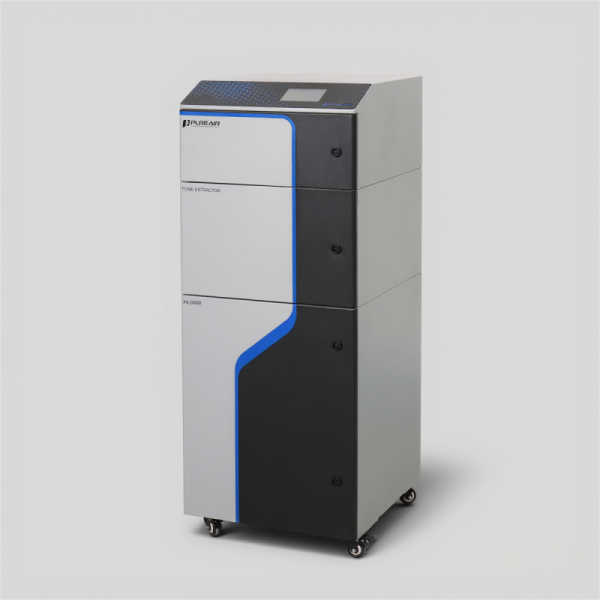
In short, practical upgrades and smarter controls will guide the next wave. We should evaluate solutions not by sticker price but by measurable outcomes. Here are three metrics I use when advising teams: capture efficiency at the nozzle (percent captured), cost per operational hour (including filter and energy costs), and maintenance frequency (hours between interventions). These tell the true story. Choose equipment that offers clear data and straightforward servicing. I find that brands that publish test results and provide modular filter stages make life easier for everyone.
We’ve covered the scene, peeled back why old approaches fail, and sketched new principles that work in the real world. I’m convinced that thoughtful design—paired with simple monitoring—gives operators cleaner air and fewer surprises. If you want a partner that thinks this way, consider exploring solutions from PURE-AIR. I’ve seen their systems in action, and they strike a good balance between craft needs and safe, measurable performance.
Keep reading
 Real Estate
Navigating Modern Real Estate: Strategies for Buyers, Sellers, and Investors in a Dynamic Housing Market
 insurance
Understanding Practical Insurance: Coverage, Policy, and Real-World Protection
 Home
Home