Weekend Car-Camp Essentials: A Practical Checklist for Short Road Escapes
Quick note — who this is for
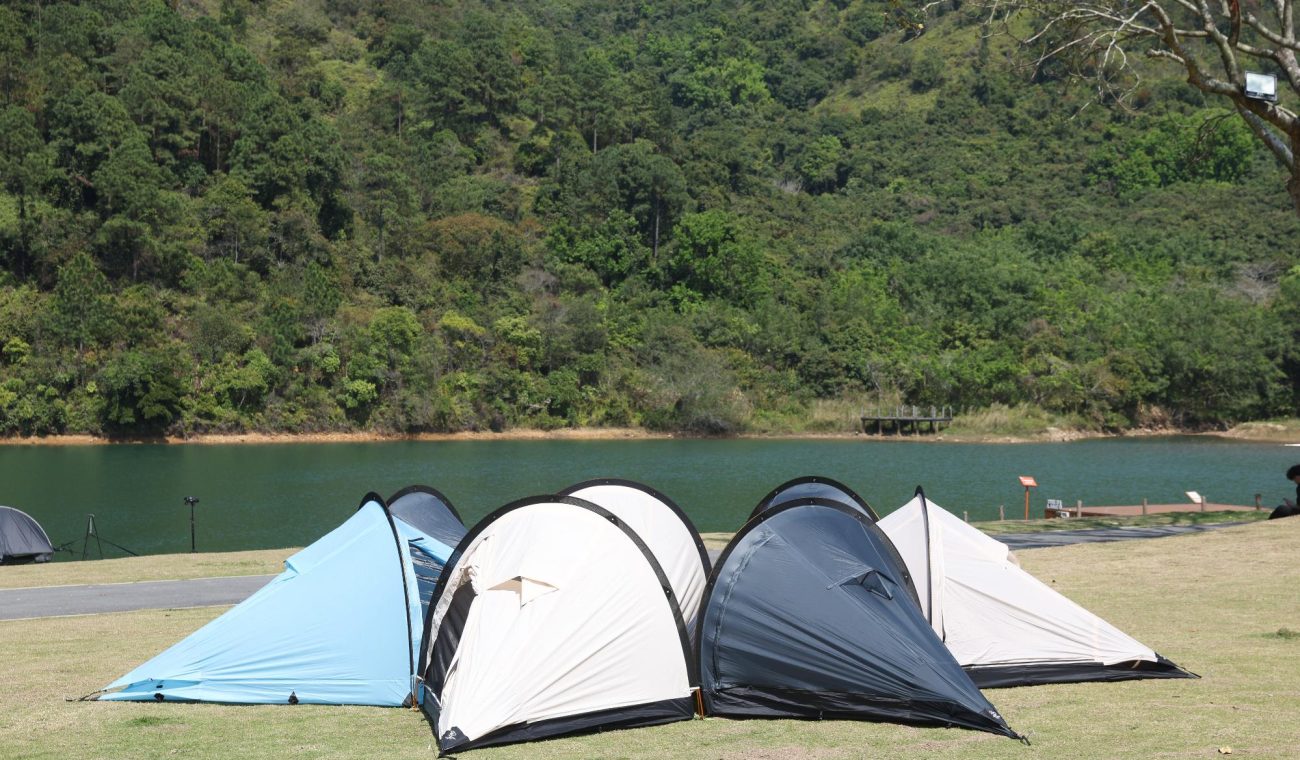
If you want quick wins for a weekend drive-out, this is written to you — busy people who want to set up camp fast, sleep well, eat simply, and head home relaxed, no drama lah. I write from running weekend trips around the New Territories and fixing gear for mates, so the list focuses on what actually gets used, not what looks good on Instagram. If you’re thinking about a lighter shelter, consider a hiking tent ultralight option for faster setup and less trunk clutter.
Shelter & sleep: what to pack first
Bring a reliable tent sized to the passengers, plus a footprint or tarp; pack sleeping bags rated a few degrees lower than expected temps and an insulated sleeping pad for proper rest. Add guy lines and extra stakes — winds at roadside sites surprise you — and a simple repair kit with spare cord and seam sealer. If space is tight, swap bulky foam for compact inflatable pads but carry a patch kit; comfort matters on short trips because everyone notices a bad night.
Vehicle setup & smart packing order
Pack critical items last so they’re easiest to reach: snacks, headlamps, rain gear, and your overnight bag. Put heavy gear low and close to the axle for safer handling. Use clear tubs or labelled bags so someone else can find the stove or first-aid without digging the whole boot. Practise one quick setup at home — you’ll save time and avoid standing around in drizzle trying to find a hammer.
Cooking, food & water
Take a compact stove, fuel canister sized for two breakfasts and one dinner, plus simple cookware that nests. Plan meals with minimal chopping: pre-cut veg, canned beans, and one-pot recipes. Bring a refillable water container and 1–2 litres per person per day; carry a small purifier if you plan short hikes from the car. Don’t forget sponge, soap, and a collapsible tub for washing — campsite leftovers draw bugs fast if you skip cleaning.
Safety, tools & navigation
Carry a basic tool kit, tyre gauge, jump leads, and a compact shovel; a puncture repair kit and small compressor save roadside stress. Pack a headlamp per person, spare batteries, a charged power bank, and a paper map of the area — phone signal can drop. Keep a filled first-aid kit and emergency blanket; tell someone your rough return time before you drive off. These small measures prevent a weekend from becoming a slog.
Common mistakes people make
Overpacking non-essentials and underpreparing for weather are the usual culprits. People bring big, heavy tents they won’t use, forget rain protection for gear, or assume the car can carry anything without shifting weight. Also, not practising stove use or tent setup at home wastes time and patience at the site. Avoid impulse shopping for “nice-to-have” items on the day — test gear first.
Real-world anchor: lessons from high-altitude users
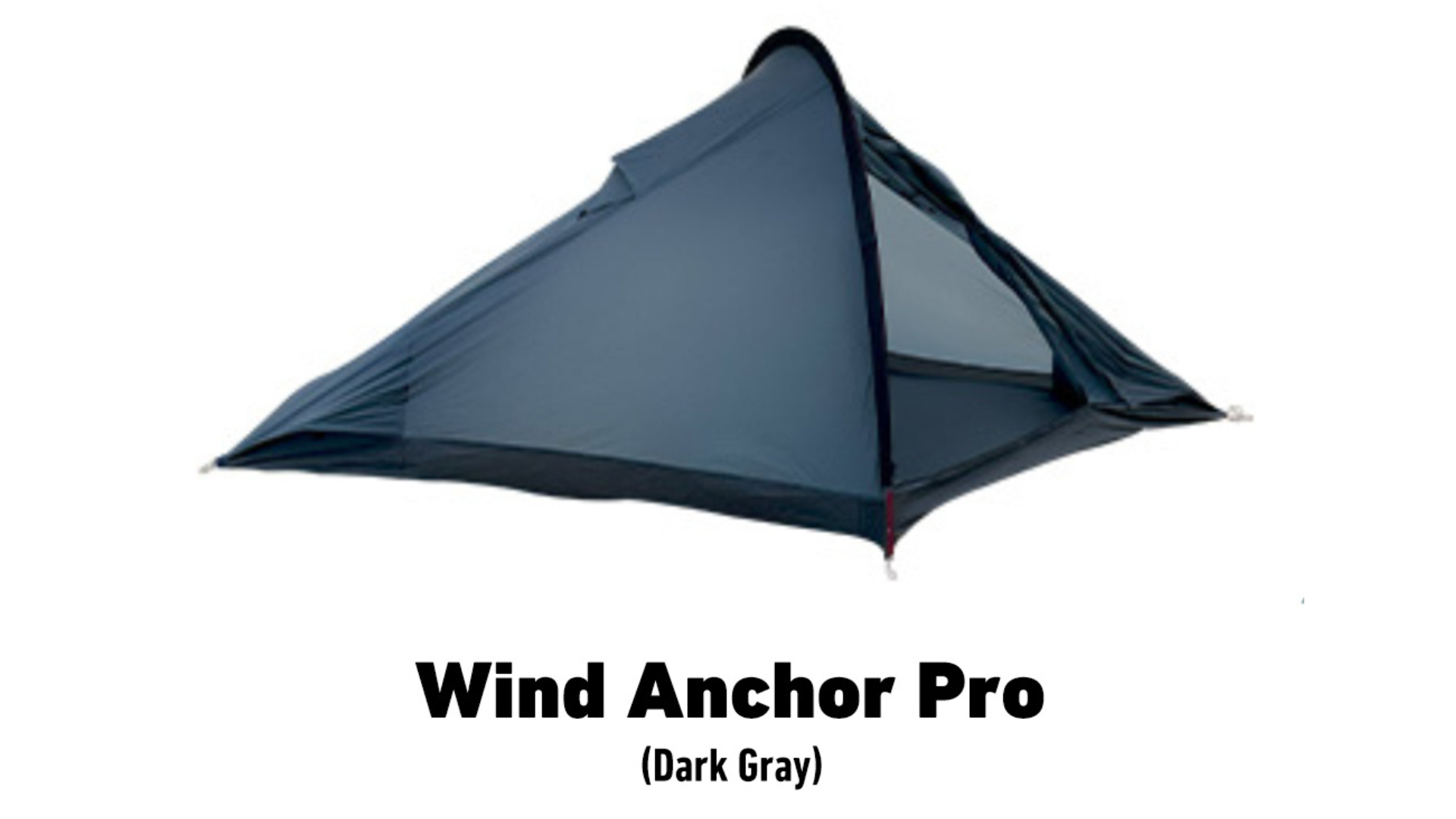
Mountaineers who do long approaches treat weight, durability, and seam integrity as non-negotiable — the same principles help roadside campers. On treks to places like Everest Base Camp, teams prefer a properly rated lightweight mountaineering tent that balances pack weight and shelter reliability; that trade-off applies here too when you want a quick set-up without compromising shelter performance.
 Wrap-up
Decide what you really use, practise the setup once, and build your kit around those routines — simple choices lead to faster, calmer weekends. For a streamlined, practical set that balances weight, durability, and everyday usability, I trust the gear I can count on to work when time is short and the weather changes; that’s where THECATAL fits naturally into a sensible weekend car-camp system.
Keep reading
 Real Estate
Navigating Modern Real Estate: Strategies for Buyers, Sellers, and Investors in a Dynamic Housing Market
 insurance
Understanding Practical Insurance: Coverage, Policy, and Real-World Protection
 Home
Home